
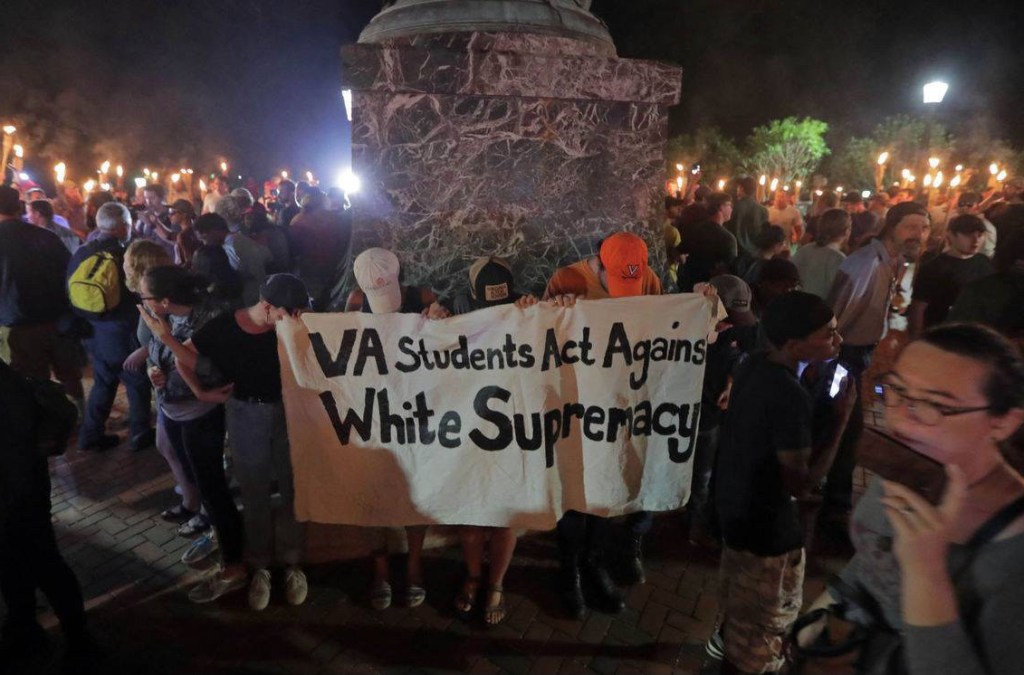
Jess reflects on the opportunity presented in “Making the Feature Film, Part 1,” especially how it connects to her life.
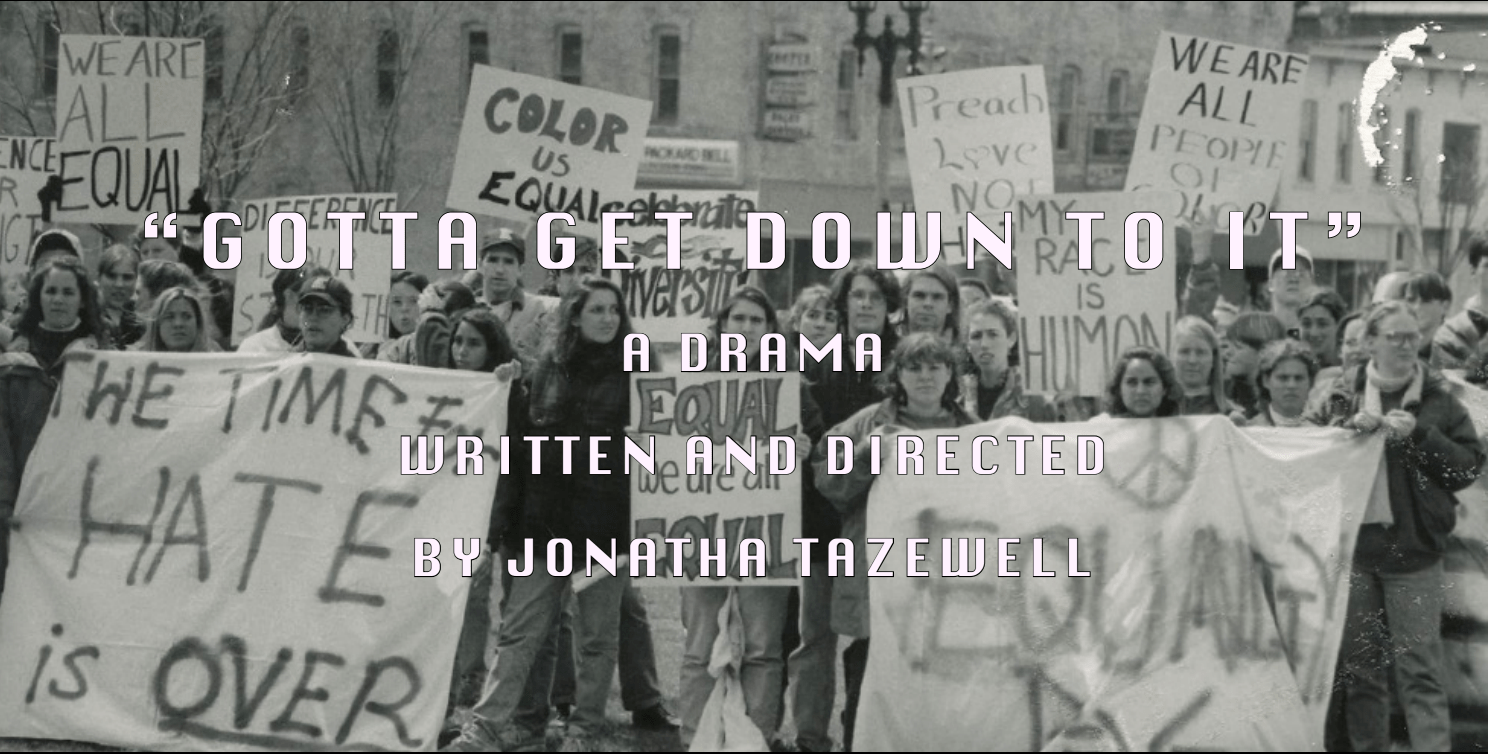
Professor Jon Tazewell will probably never see this blog post, so I feel pretty confident being very honest here. I am overjoyed at the opportunity to produce a feature film with him. My first memory of discussing Kenyon classes with an upperclassman was during my experience on Kenyon’s Outdoor Pre-Orientation — during which many of my leaders waxed poetry about Jon’s teaching ability and incredible kindness as a mentor figure. That’s the thing about our teachers and mentors: the ones that stick out to us are the people who go the extra mile — whether that’s to connect with us on a human level, or to take an interest in our development as a human being. I have been unbelievably fortunate to create such strong bonds with my faculty mentors here at Kenyon and I am unreliably grateful that Jon is one of those people in my life. Not only do I look to him as a knowledgable professor and guide but I feel lucky enough to consider Jon a friend. He has been there for me inside and outside of class, when I forgot lines and broke down crying or got super pissed off about some racist shit somewhere (likely in a film) — I am thankful for our extra walks out of class in which we’ve continued the lecture topic out onto Middle Path, and for our casual meetings in the coffee line and at our shared polling place. Jon is one of my heroes and I look up to him as I think about my role as a mentor to younger students and to my own students.
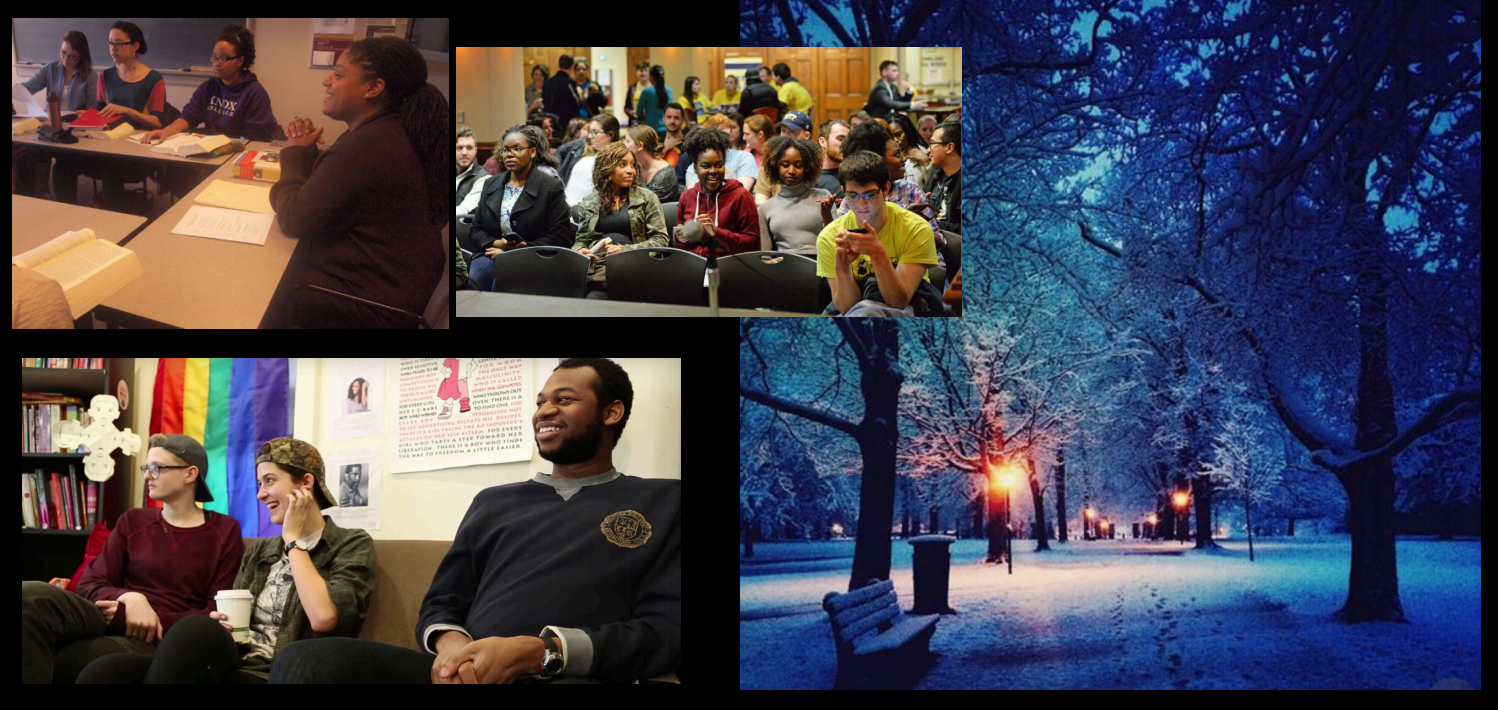
It’s this close bond between student and mentor that I think holds the lifeblood of Jon’s feature film, “Gotta Get Down to It.” In the film, a young African American professor named Val has to decide between getting tenure and standing up for what she believes in alongside her students. In many ways, the emotional core of this film is centered around the bonds formed between Val and her socially active and frustrated student, Trey — who happens to be an African American trans man. I so relate to Trey as he’s pissed about the injustices in his community and he’s ready to stand up and do something about it. I also relate to the way he must at some point recognize that sometimes “peaceful protest” is a misnomer — especially since that in the face of injustice there will always be an oppressed party, and they are likely to face violence from their oppressors. While it has taken me a long time to face my own naivety, I know that a lot of it has come indirectly from the lessons I learned in Professor Tazewell’s “African American Cinema” class last spring. Just like Trey, who develops into a more socially-aware student in the care of Val, I feel as though I have become a better person thanks to Jon’s lectures.
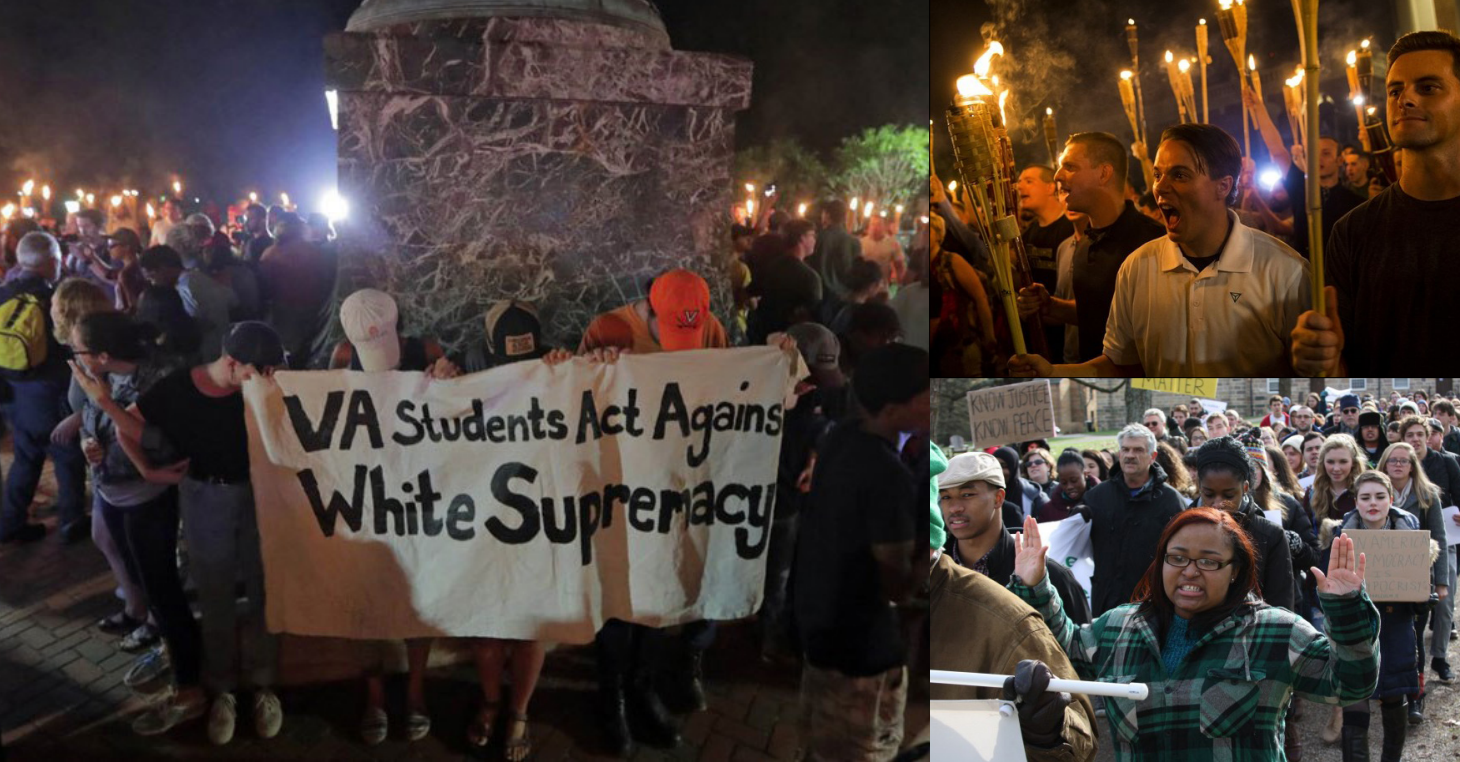
In many ways, it is this connection to the source material that makes me so driven to “get it right” with Gotta Get Down to It. The way I see it, perhaps super optimistically, is that this film has the opportunity to shed light on the struggles of minorities and student activists in a fairly unique light. We, as a community, beyond the actual content of the script, have the chance to use this film as a platform for greater conversation regarding the way our college community is shaped by “higher” powers. Money talks, it’s about time we talked about what we’re allowing it to say. In Gotta Get Down to It, our characters grapple with this issue of their voices being quelled due to an imbalance of power: all of which relates back to privilege in the form of different socioeconomic backgrounds.
 Jesseca Kusher
Leave a comment