
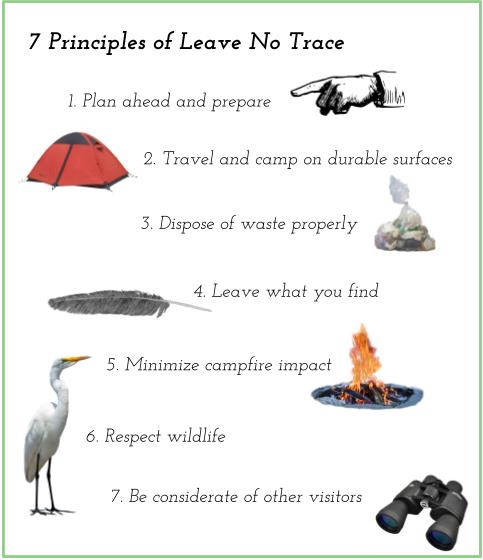
Leave No Trace centers around the idea awareness: to be ready for challenges and conscious of your impact on the world around you.
Or, as paraphrased from one of my mentors, Paige Lester-Niles,
“You must be aware of how big you spread your picnic blanket on the lawn of the music festival of life. “
As a film student, producer, and certified Leave No Trace Trainer my understanding of the seven Leave No Trace Principles take on a slightly different meaning in context. So much of the planning for a film set overlaps with the preparation I am used to accomplishing before going on a backpacking trip.
Planning Ahead on Set
As a producer, there are a number of “assets” you must acquire and organize in order for the production to run smoothly. Some of those things on a student film include the wardrobe accessories used in the previous shoot in order to maintain continuity (don’t forget the purse!), reference images of actors’ makeup, extra copies of the script and shot list — the number of items goes on and on. As the producer for the senior thesis of Masen and Jacqueleen this year, I have been fortunate to work with two hyper-competent and honestly brilliant creatives. Masen was a good director in the way he took feedback from me (whether that was on continuity or keeping to the schedule) and he was refreshingly organized. Jacqueleen, too, was relaxed and very professional on set. That all said, we probably could have planned our reshoots better.

Our reshoot day came fast after the class feedback on the thesis rough cut — or so it felt.
The day we had to reshoot some of our “approaching the church” scenes it was literally snowing outside. That was a huge change from the so-hot-we-crouched-in-pockets-of-shade heat we experienced when we initially filmed the scene in the Ohio summer heat. As a producer, I worked hard to keep morale high. I brought extra layers and blankets for our actors to wear in between takes, and a bucket of candy for the extra kick of energy nothing like chocolate provides. Even then, as I stood in running sound, the smallest of snowflakes collected on the dead cat (fluffy microphone cover) and drifted in and out of our shots. I honestly don’t know if any of it will be usable intercut with the original footage. Ideally, we could have planned ahead and reshot much closer to the dates in which we initially filmed. It would have been safer and better for continuity.
From a safety standpoint, I was happy that I was on set that day. I find that as student productions brush the edge of their deadline set tension increases and professionalism dies down. It’s tragic, really — but sometimes you have to convey to the director that no matter how committed you think your actors should be, they never signed up to freeze their butt off two months after the initial shoot. On some level, you would hope that professionalism and commitment to keeping your actors happy and safe would increase as time on the production went on. Ultimately, I think people just get tired and maybe a bit cranky.
It was especially funny to me how my basic wilderness first aid skills continue to come in handy outside of the wilderness.
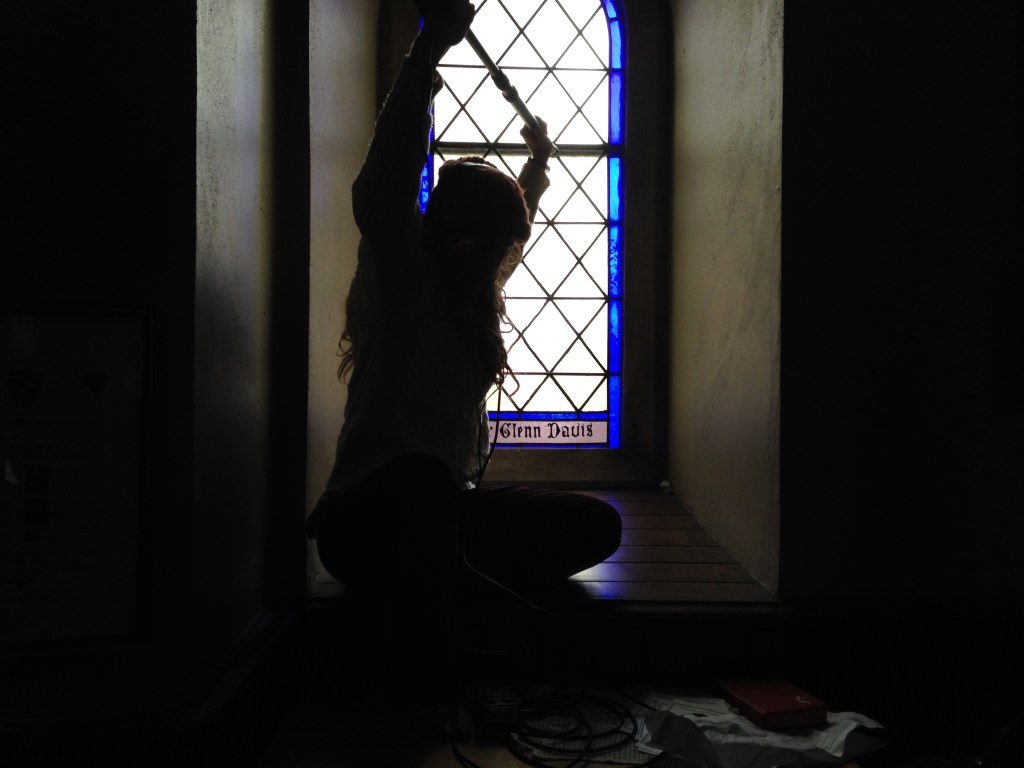
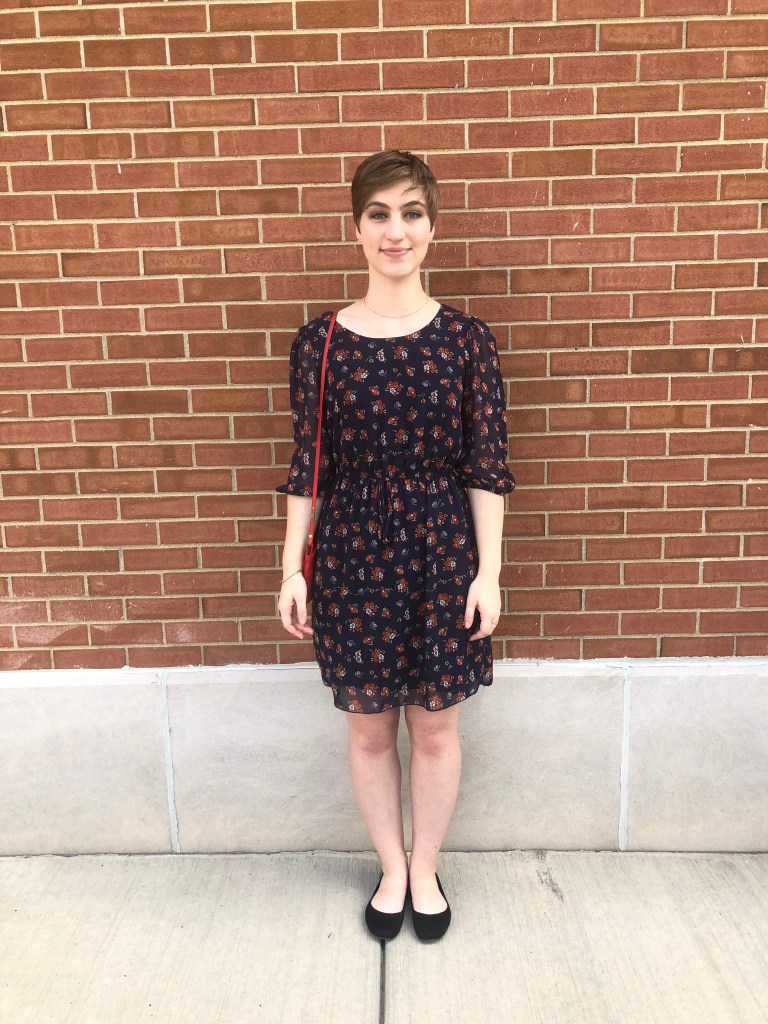
Most notably, my favorite tool against the cold: the “boot dance” or “hypothermia dance”(as it is called by true pessimists) was a lifesaver on set. It was so cold that day that my hands were frozen to the boom pole — and yet, our lead actor didn’t bring his own winter coat, and our actress was costumed in a summer dress. In between takes we all took joy out of practicing the boot dance to stay warm and keep morale high(er).

Posted the second week of November, 2018.
 Jesseca Kusher
Leave a comment